

What a Production Engineer Actually Does on Site
Ask most people what the audio-visual crew does at an event and the answer is roughly: they set up the equipment and they press play. That is a fair description of a small part of the job.
At Long Island Video, the production engineers are the part of the company that makes the equipment mean something. The inventory in our Glen Cove warehouse is available to anyone. What is not available to anyone is a person who has already worked in the room you have booked and who recognizes a problem before it becomes visible.
Here is what that actually looks like across a day.
Before the event: the part that decides everything
Reading the room ahead of time
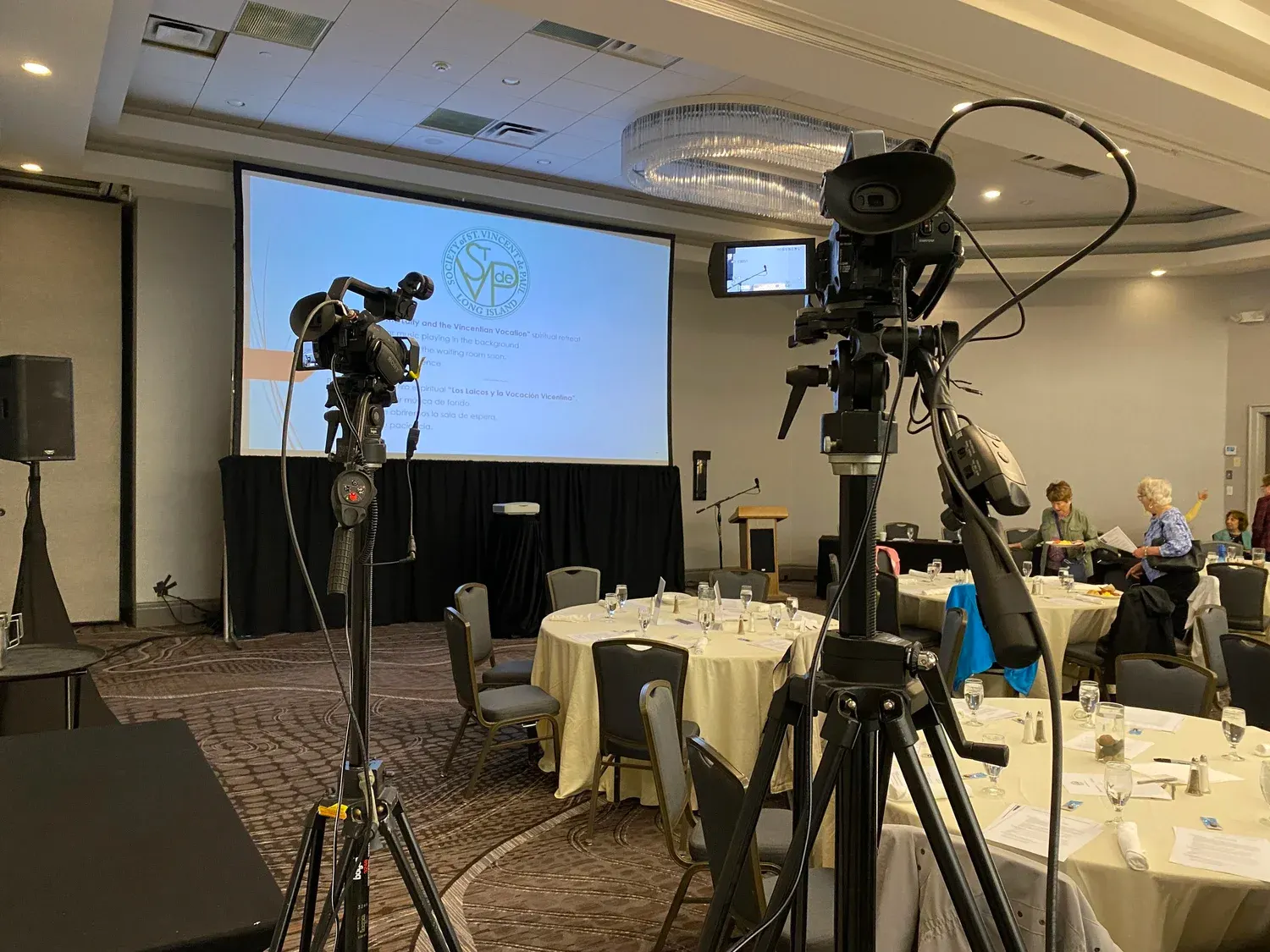
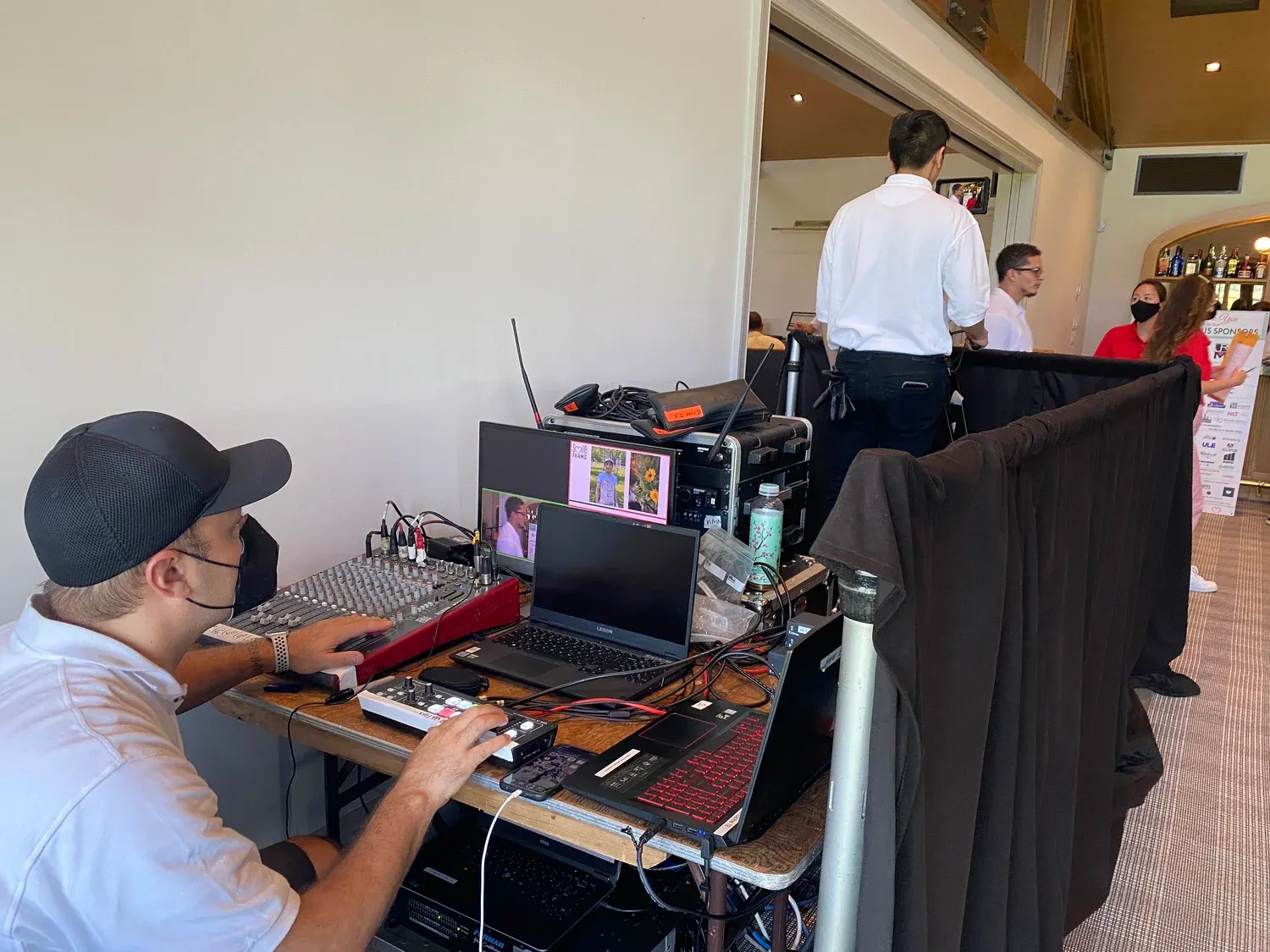
Long before the truck loads, an engineer has looked at the floor plan and worked out where things go and why. Where the screen can live without blocking an exit. Whether the projector position is in a walkway. Where the control position sits so the operator can see the stage and the screen, because someone mixing a show while looking at a wall is guessing.
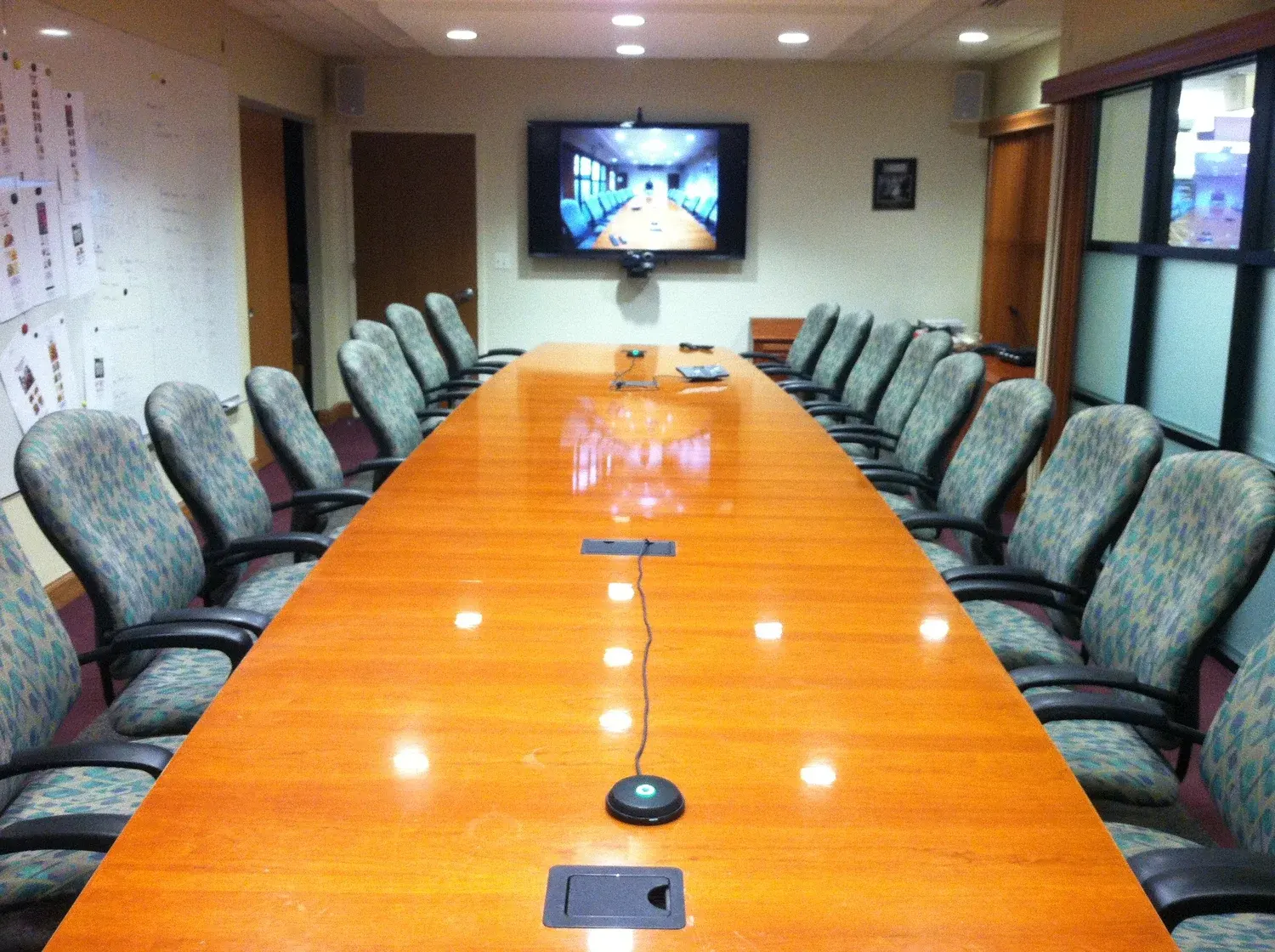
They will have asked the questions that are not on the brief. What is above the ceiling. Where the power comes from and what else is on that circuit. Whether the load in door is the size everyone assumes. Whether there is another event in the room the night before.
Building in the redundancy nobody sees
Every experienced engineer has a private list of the things that fail, and the plan includes an answer to each one. A spare for the microphone that matters most. A second path for the content. A way to keep the room usable if a projector goes dark mid-session. Cable runs that are secured so a passing chair does not become an incident.
None of this is visible on the day, which is exactly the point. The measure of a good production plan is how ordinary the event looks while it happens.
Load in: the hours the audience never sees
Setup is not assembly. It is a sequence with dependencies. Rigging goes up before anything hangs from it. Structure before cable. Cable before the equipment that rides on it. Power distributed before anything is switched on. Get the order wrong and a crew spends the afternoon undoing work.
Through it the engineer is watching for the things that will bite later: a run that is going to be walked on, a position that will be in a camera shot, a stand that is stable now and will not be once the room fills, a cable path that crosses a doorway the caterers are about to start using.
Then everything gets tested. Not glanced at. Every microphone, every input, every source, every playback path, with somebody listening on the other end. The whole point of this hour is to be bored by it.
Rehearsal: the highest-value part of the day
If there is time for a rehearsal, an engineer spends it on the joins rather than the content.
Presenters generally know their material. What has never been practiced is the handoff: the moment the second speaker walks up, the point where video rolls, the transition to the panel, the switch to a remote presenter. Those transitions are where events go wrong, and running each one once removes most of the risk of the day.
It is also where an engineer sets levels against real voices, and finds the presenter who steps away from the lectern microphone, or the deck with a font that does not read from the back row. Those are cheap to fix in the morning and impossible to fix at two in the afternoon.
During the show: the invisible part
Once doors open, the engineer’s job is to make continuous small corrections that nobody notices.
A speaker with a quiet voice follows one with a loud one, and the level moves before the audience has to lean in. A microphone starts to feed back and gets pulled a fraction before it becomes a noise. A laptop drops its connection and the room sees the previous slide rather than a desktop, because someone anticipated it.
Alongside that, they are running the show: watching the run of show, taking cues, keeping the next thing ready, knowing the deck well enough to find slide forty when a presenter jumps to it.
And they are handling the changes. Somebody adds a segment. A presenter who was going to be remote arrives in person. A video appears with sound nobody mentioned. The plan changes on the day at almost every event, and absorbing that calmly is most of the skill.
After: strike, and the part that pays off next time
Load out is not the reverse of load in. It is a different job, usually on a shorter clock, often shared with a venue that wants the room back. It has to be done safely by people who have been working since early morning, which is precisely when care matters most.
Afterwards, an engineer notes what happened. That this venue’s power is on the far wall. That the loading dock elevator is small. That the room’s house system is not usable for a presentation. That a particular ballroom sounds different once the drapes are open.
That accumulated knowledge is the real asset. It is why an experienced crew asks fewer questions and arrives with more of the right answers, and it is what over 35 years of working in the venues of the New York metropolitan region actually buys you.
Why it is a line on the quote
When a proposal lists production engineers separately from the equipment, that is not padding. It is the difference between equipment being present and equipment performing.
Anyone can send a projector to a ballroom. What you are paying for is somebody who has already thought about where it goes, what happens if it fails, and what to do when the run of show changes at eleven in the morning.
Long Island Video has been sending seasoned production engineers into rooms across the tri-state area for over 35 years, alongside the projection, sound, lighting, and staging that goes with them. If you want to talk about who will actually be in the room at your event, get in touch or call 516 759 5483.